When Grandma's House Has Different Rules: Keeping Sleep Routines Alive Across Two Households
You've spent months — maybe years — dialing in the perfect nap routine. The blackout curtains, the white noise machine, the specific stuffed animal that has to be tucked in just so. And then your in-laws offer to take the kids for the weekend, and you come home to a toddler who hasn't napped since Friday and is running on pure chaos energy.
Sound familiar? You are not alone.
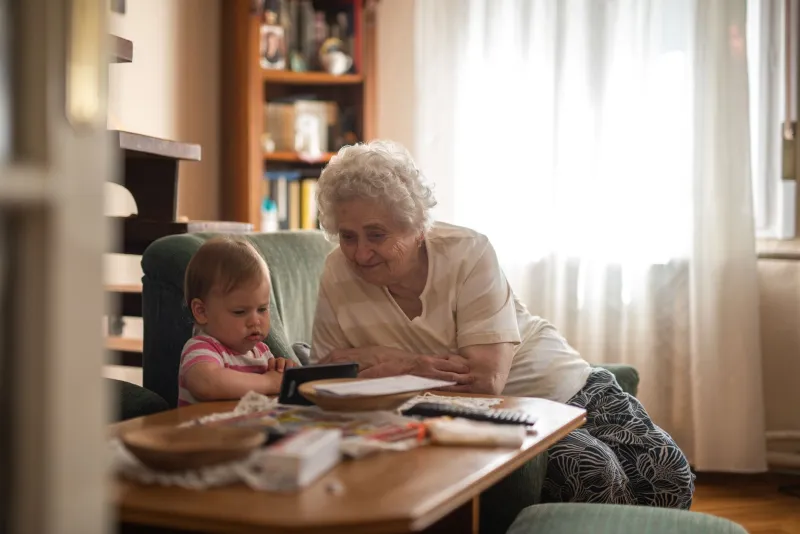
The tension between how parents handle rest time and how grandparents handle it is one of the most common — and quietly stressful — dynamics in family life. Grandparents operate from a different era of parenting wisdom, a deep love for their grandkids, and honestly, a fair amount of "we raised you just fine without all that." Meanwhile, you're working hard to protect a routine that keeps your child (and let's be real, you) functional.
Both things can be true at the same time. And navigating the space between them takes a little strategy.
Why the Gap Exists in the First Place
Before you draft a strongly worded text message to your mother-in-law, it helps to understand where the disconnect actually comes from.
Grandparents raised kids in a different landscape. Sleep science has evolved enormously over the past few decades, and practices that feel non-negotiable to today's parents — consistent nap windows, age-appropriate sleep schedules, wind-down routines — simply weren't part of the conversation when your own parents were in the thick of it. They're not being dismissive. They genuinely may not know why any of this matters.
There's also the grandparent factor: they want to say yes. They want to be the fun, indulgent ones. Letting a kid skip a nap to squeeze in one more hour of backyard play feels like a gift, not a disruption. And from their vantage point — where they're not the ones managing the meltdown at 5pm — it kind of is.
What Inconsistency Actually Costs You
One skipped nap isn't the end of the world. But repeated inconsistency across caregivers can chip away at the sleep associations your child has built. Young kids — especially toddlers and preschoolers — rely heavily on predictability to feel safe and settled. When the rules shift depending on whose house they're at, it can create confusion that bleeds back into your home routine, sometimes for days after a visit.
This isn't about being rigid. It's about recognizing that small kids don't have the cognitive flexibility yet to easily toggle between "Grandma's rules" and "home rules" without some fallout.
Having the Conversation Without Starting a Family Drama
Here's the part nobody loves: you have to actually talk about it. Leaving things unsaid and hoping grandparents will just figure it out rarely works, and it tends to breed resentment on both sides.
The key is to frame the conversation around your child's needs — not your preferences. Grandparents are far more receptive when they feel like partners in the child's wellbeing rather than people being corrected.
Try something like:
"Hey, we've been working really hard on [kid's name]'s sleep, and it's made such a big difference in how she handles the afternoons. Would it be okay if we walked you through what we do? We'd love for her to feel that same settled feeling when she's with you."
Notice what that script does: it invites them in rather than laying down rules. It positions them as capable and caring, not clueless. And it gives a concrete reason — a calmer, happier kid — that benefits everyone, including them.
If you're dealing with a grandparent who pushes back more firmly, you can try:
"I totally get that it worked differently when we were little, and I'm not saying you did anything wrong. This is just what works for her right now, and it would mean so much to us if you could help us keep it going."
You're not arguing sleep science. You're asking for support. That's a much easier ask.
Building a Grandparent-Friendly Sleep Cheat Sheet
One of the most practical things you can do is write it down. A simple one-page summary of your child's nap routine takes the guesswork out of it for grandparents and removes the "I didn't know" excuse from the equation.
Keep it friendly and light — not a manifesto. Include:
- Nap window: What time nap ideally starts, and the latest it can begin without wrecking bedtime
- Wind-down cues: What you do in the 10-15 minutes before sleep (a short book, a specific song, dimming the lights)
- Sleep environment basics: Does your child need white noise? A particular blanket? A dark room?
- What to do if nap doesn't happen: A quiet rest period as a fallback, and how to adjust the evening if sleep was missed
Frame it as a helpful resource, not a rulebook. Something like: "We made this little cheat sheet so you don't have to guess — feel free to ask us anything!"
The Art of the Reasonable Compromise
Here's a truth worth sitting with: you probably can't control everything that happens at Grandma's house. And trying to will exhaust you and strain the relationship.
Choose your non-negotiables. Maybe the nap window is firm, but you're flexible on the exact wind-down ritual. Maybe you care a lot about the sleep environment being dark and quiet, but you're okay if the stuffed animal lineup isn't perfect. Knowing what you're willing to bend on — and what you're not — helps you communicate more clearly and keeps the conversation from feeling all-or-nothing.
If grandparents are watching your child regularly (not just the occasional weekend), it's worth investing more time upfront in getting them aligned. The more consistent the setup, the less recovery time you'll need afterward.
For occasional visits, give yourself permission to expect some disruption and plan accordingly. Build in a buffer day when you get home before anything high-demand is on the schedule. And resist the urge to blame grandparents if your kid's sleep is off for a night or two — it often self-corrects faster than you'd expect.
A Note on Grace — For Everyone
Your parents or in-laws showing up with a different playbook doesn't mean they don't respect you. It usually means they love your kids fiercely and have their own ideas about what that looks like. Most of the time, a calm, clear conversation goes a long way toward getting everyone on the same page.
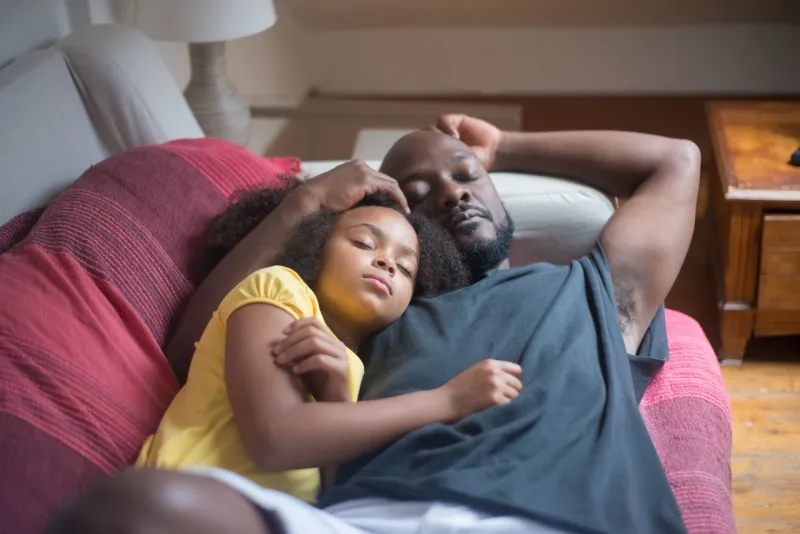
And on the days when it doesn't go perfectly? That's okay too. Nap time at Grandma's will never be exactly like nap time at home — and honestly, it doesn't have to be. The goal isn't perfection across every setting. It's a child who feels safe, rested, and loved, whether they're in their own crib or crashed out on Grandpa's couch with a dog at their feet.
That's a pretty good outcome, even if the routine took a small detour to get there.