Room to Dream: How Your Child's Sleep Space Shapes Their Growing Brain
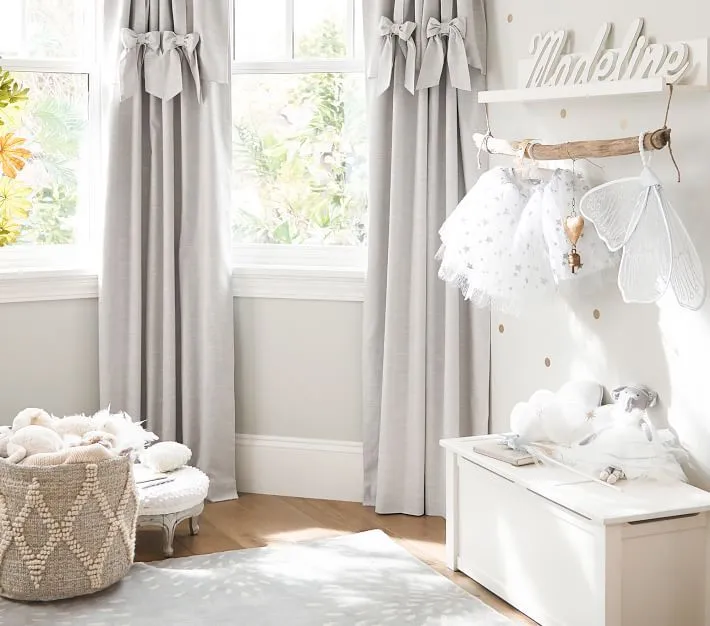
Photo: peaceful toddler nursery room blackout curtains soft lighting, via i.pinimg.com
Walk into most nurseries and you'll find a carefully chosen crib, maybe a sweet mobile, and a paint color someone on Pinterest swore was soothing. But if you've ever wondered why your toddler still bounces off the walls at nap time despite your best efforts, the answer might be hiding in plain sight — or rather, in plain light, sound, and temperature.
Sleep researchers have spent decades studying what happens inside a child's brain during rest, and the findings are pretty clear: the environment where a child sleeps matters enormously. Not just for how quickly they drift off, but for the quality of the sleep they actually get — and sleep quality is directly tied to memory consolidation, emotional regulation, and even language development.
So let's talk about building a nap space that actually does its job.
Darkness Is Your Best Friend (No, Really)
Here's something a lot of parents don't realize: young children are significantly more sensitive to light than adults when it comes to melatonin production. Melatonin — the hormone that signals the brain it's time to sleep — gets suppressed by light exposure, even relatively dim light. That cheerful afternoon sun streaming through the curtains? It could be actively working against you.
Blackout curtains are one of the highest-ROI purchases you can make for a child's sleep space. We're not talking about slightly opaque drapes — genuine blackout panels that block 99% of light make a measurable difference, especially for afternoon naps when the sun is still high. If you're renting or don't want to commit to curtain rods, portable blackout shades with suction cups exist and are genuinely effective for travel or temporary setups.
The goal isn't necessarily pitch black for every child — some kids do better with a very dim nightlight, particularly toddlers who are working through separation anxiety. But starting dark and adding a tiny bit of warm-toned light is a better approach than starting bright and trying to dim your way down.
Sound Matters More Than Silence
Counter-intuitive as it sounds, complete silence is often not the ideal sleep environment for young children. Babies spent nine months surrounded by the constant hum of their mother's body — heartbeat, digestion, blood flow. Total quiet can actually feel foreign and jarring.
White noise machines have become a staple in American nurseries for good reason. They work by masking sudden environmental sounds — a dog barking, a sibling slamming a door, the mail carrier — that would otherwise jolt a light sleeper awake during a sleep cycle transition. The consistent audio backdrop essentially gives the brain a steady, neutral signal to filter out, rather than having to evaluate every new sound as a potential threat.
When choosing a sound machine, look for one with consistent, non-looping audio (looping tracks with a noticeable restart point can actually disrupt sleep), adjustable volume, and a range of sound options. Pink noise and brown noise have both shown promise in recent sleep studies as potentially more soothing than traditional white noise for some children — worth experimenting with if white noise isn't doing the trick.
Volume matters too. The American Academy of Pediatrics recommends keeping sound machines at no more than 50 decibels and placing them at least 7 feet away from the child's sleeping area.
The Temperature Sweet Spot
If your child's room is too warm, their body can't do what it needs to do to initiate deep sleep. Core body temperature naturally drops slightly at sleep onset — it's part of the biological process. A room that's too hot interferes with that drop.
Most sleep experts recommend keeping a child's room between 68 and 72 degrees Fahrenheit for optimal sleep. That might feel a little cool to you if you're used to running the heat in winter, but it's the range where most young bodies sleep most efficiently.
For families without central air, a small fan can help both with temperature regulation and as a gentle source of ambient sound. Just make sure it's not blowing directly on the child. In dry climates, a humidifier can also improve sleep comfort — dry air can cause enough nasal irritation to disrupt rest without the child (or you) ever identifying it as the culprit.
Dress your child in breathable layers rather than one heavy item. Sleeveless sleep sacks layered over light pajamas give you flexibility without the hazard of loose blankets.
Bedding and Sensory Sensitivity
For children who are sensory-sensitive — and many toddlers are, even those who haven't been formally identified as such — the feel of their bedding can be a surprisingly significant factor in how easily they settle.
Natural fibers like organic cotton and bamboo-derived fabrics tend to be gentler on sensitive skin and more breathable than synthetic blends. If your child frequently kicks off covers or fusses about the feeling of sheets, it's worth trying a different material before assuming they just don't want to nap.
Weighted blankets have gained a lot of attention in recent years, and for some children with sensory processing differences or anxiety, the gentle deep-pressure stimulation genuinely helps. However, they're generally not recommended for children under 2, and you should consult your pediatrician before introducing one. When appropriate, choose a weight that's roughly 10% of the child's body weight.
Pillow firmness, mattress support, and even the direction a child faces in their sleep space can all play a role for particularly sensitive kids. Trust your observations — you know your child's quirks better than any sleep guide does.
Making It Work in the Real World
Not everyone has a dedicated nursery with a controlled environment. Plenty of families are working with shared bedrooms, open floor plans, or apartments where the "nap space" is a Pack 'n Play in the corner of the living room.
The good news is that consistency matters more than perfection. A portable blackout shade, a travel sound machine, and a familiar sleep sack can create a reliable sensory cue set that travels with you — whether that's to grandma's house or a hotel room. The brain is remarkably good at learning associations. When the same cues appear, it starts preparing for sleep.
If budget is a constraint, prioritize in this order: darkness first, then sound, then temperature. Blackout solutions are often the most affordable intervention and tend to have the most immediate impact.
The Takeaway
Designing a great nap space isn't about achieving some Instagram-perfect nursery aesthetic. It's about understanding what your child's developing brain actually needs to rest well — and then removing as many obstacles to that as you reasonably can.
The investment pays off in ways that go well beyond the nap itself. Better rest means better mood, sharper focus, stronger memory, and a kid who wakes up ready to engage with the world rather than melt down at the first inconvenience. And honestly? A child who naps well is a gift to the whole household.
Start with one change, observe for a few days, and build from there. Your child's brain will thank you — even if they never actually say so.