When Nap Time Becomes a Negotiation: What to Do When Your Kid Pushes Back
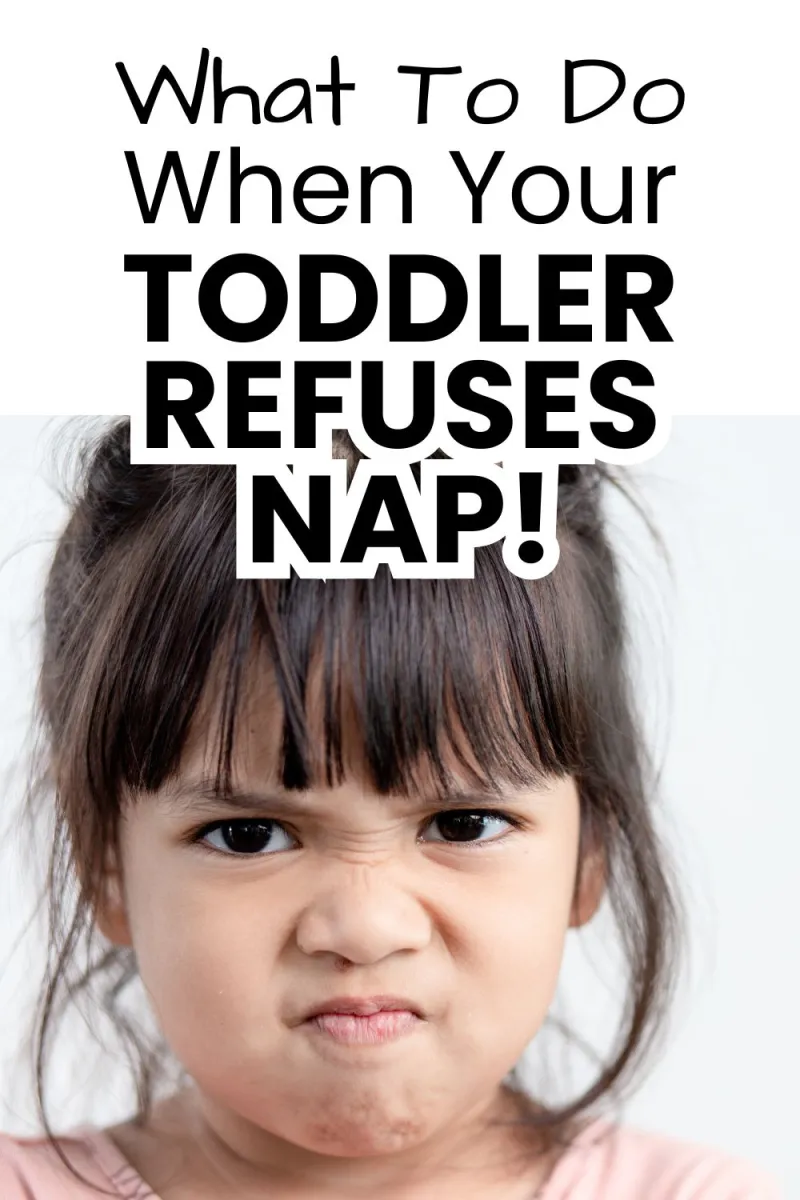
Photo: toddler refusing nap time frustrated parent bedroom, via www.babywisemom.com
You had a system. It worked. And then, somewhere around the second or third birthday, your previously reliable napper looked you dead in the eyes and said "no nap" with the conviction of a tiny labor organizer.
If that scene sounds familiar, you are absolutely not alone. Nap resistance is one of the most common frustrations parents bring up in pediatric wellness visits, parenting forums, and — let's be honest — desperate late-night texts to other parents. The tricky part is that nap pushback can mean a lot of different things depending on your child's age, temperament, and what else is going on in their life. And the right response looks pretty different depending on which situation you're actually in.
Let's break it down.
First, Figure Out What Kind of Resistance You're Dealing With
Not all nap refusal is created equal. There's a meaningful difference between a toddler who's going through a developmental leap and temporarily fighting sleep, and a four-year-old whose body genuinely doesn't need a midday nap anymore. Treating them the same way leads to a lot of unnecessary frustration on both sides.
Temporary resistance tends to look like this: your child has been napping fine, something changes (a new sibling, starting preschool, dropping from two naps to one, a growth spurt, travel, illness), and suddenly naps become a battle. This kind of resistance usually resolves within a week or two once the disruption settles. The key here is to hold the routine steady without turning it into a power struggle.
Developmental readiness to drop the nap looks different. The child consistently takes a long time to fall asleep at nap time, doesn't seem tired, and — importantly — doesn't appear overtired or fall apart in the late afternoon when they skip it. Bedtime actually gets easier on no-nap days rather than harder. These are signs that the nap may have run its course.
Most children drop their last nap somewhere between ages 3 and 5. The American Academy of Sleep Medicine notes that about 50% of children stop napping by age 3, but plenty of kids genuinely need that rest until closer to 5. There's a wide range of normal here, and your child's individual sleep needs matter more than any average.
Strategies for Riding Out a Rough Patch
If you've assessed the situation and you believe your child still needs the nap — they're cranky without it, bedtime is earlier on skip days, they fall asleep in the car at 4pm — then the goal is to keep rest time intact while reducing the conflict around it.
Shift the timing. Sometimes resistance isn't about the nap itself but about the timing. A child who's not tired enough won't sleep no matter how good your routine is. Try pushing nap time 30-45 minutes later and see if that changes anything. Conversely, if you've been waiting too long and they've gotten a second wind, moving it earlier might help.
Refresh the pre-nap routine. Kids thrive on predictability, but they also get bored. If the same three-step routine has been in place for a year and it's stopped working, try adding a new calming element — a short audiobook, a different song, a simple breathing exercise you do together. The novelty can re-engage their cooperation without overstimulating them.
Give them a job. Toddlers and preschoolers are in the thick of wanting autonomy. Giving them small, controlled choices within the nap routine can reduce the feeling that sleep is something being done to them. "Do you want the blue blanket or the striped one?" "Should we do two books or three?" These feel like wins to a small person without actually changing anything important.
Stop calling it a nap. This sounds almost too simple, but for some kids, the word "nap" itself has become loaded. "Rest time," "cozy time," or even just "quiet time in your room" can sidestep the resistance that's become reflexive around a particular phrase.
When the Nap Is Genuinely Over: Transitioning to Quiet Time
Here's the thing nobody tells you: even when a child stops sleeping at nap time, they — and you — still benefit from a midday pause. Rest doesn't require unconsciousness. Quiet time is a legitimate, developmentally appropriate alternative to napping, and it can carry a lot of the same benefits in terms of emotional regulation and cognitive recovery.
The key is structure. Unstructured "go play in your room" time often doesn't deliver the restorative benefits of actual rest because kids ramp themselves up rather than down. Quiet time works better when it has clear parameters.
Some approaches that work well:
- Audiobooks or podcasts. There are genuinely excellent children's audio productions available — Spotify, Audible, and free library apps like Libby all have solid options. A child lying on their bed listening to a story is giving their brain a different kind of rest than active play provides.
- Calm sensory activities. A small bin of kinetic sand, a simple puzzle, or coloring with a designated set of materials kept only for quiet time can give the hands something to do while the nervous system downshifts.
- A visual timer. For kids who push back on the open-endedness of quiet time, a visual timer (the kind where they can watch the time physically shrinking) gives them a concrete endpoint to work toward. Start with 20-30 minutes and build from there.
The goal isn't sleep — it's a genuine break from stimulation. For parents, it's also a break from active supervision, which matters too.
A Note on Guilt
A lot of parents feel like they've failed somehow when their child stops napping. Like they missed a window or made a wrong move somewhere along the way. For the most part, that's not how it works. Nap transitions are developmental events, not parenting report cards.
What you can control is how you respond to the transition — whether you hold the routine long enough to distinguish a phase from a permanent shift, whether you adapt rest time in ways that still serve your child, and whether you give yourself enough grace to experiment without spiraling.
Some kids are just early nap droppers. Some will nap happily until kindergarten. Both are fine.
The Bottom Line
Nap resistance is frustrating, but it's also information. Your child is telling you something — either that they're going through something hard and need the routine to hold steady, or that they're ready for the next chapter. Your job is to figure out which one it is and respond accordingly.
When in doubt, hold the rest time even if the sleep disappears. A calm, quiet midday pause is good for kids at almost any age — and honestly, it's good for you too. The Naptime Review didn't get its name for nothing.