Sleep Starts Here: How to Turn Any Bedroom Into a Nap-Ready Haven
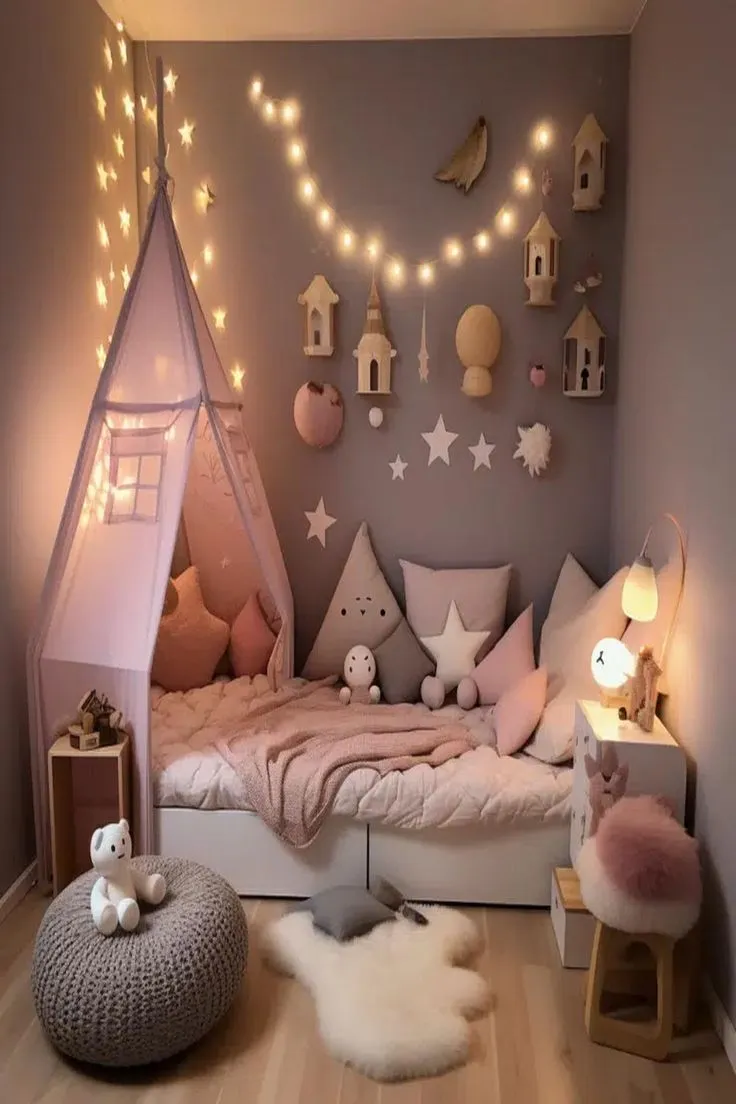
Photo: cozy toddler bedroom with blackout curtains soft lighting warm colors, via i.pinimg.com
The Room Is Doing More Than You Think
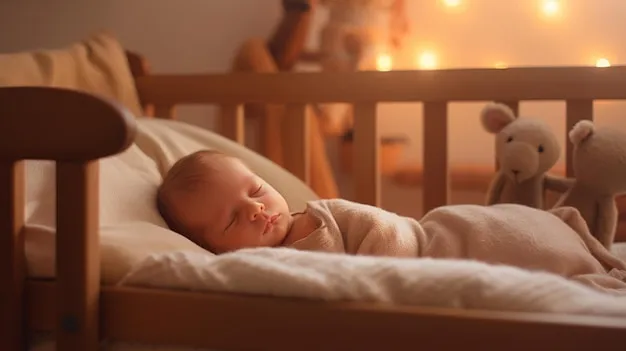
Before your child even closes their eyes, their brain is already taking cues from the room around them. The color on the walls, the temperature of the light coming through the curtains, the texture of the sheets against their skin — all of it feeds into whether their nervous system decides it's safe to slow down. That's not soft parenting philosophy. That's neuroscience.
And yet most of us set up our kids' bedrooms based on what looks cute on Instagram, not what actually supports rest. No shade to the shiplap accent wall — but if it's painted in a bold primary red and lit by a harsh overhead fixture, your toddler's body is getting signals that say stay alert, not wind down.
The good news? You don't need to gut the room or hire an interior designer. Small, strategic changes — many of them under $20 — can make a genuinely meaningful difference in how quickly your kid settles and how deeply they sleep.
Color: It's Not Just Decoration
Color psychology is a real field, and its findings translate pretty directly to kids' sleep spaces. Warm, saturated colors like reds, oranges, and bright yellows stimulate the nervous system. Cool, muted tones — think dusty blue, sage green, soft lavender, or warm greige — tend to have a calming effect.
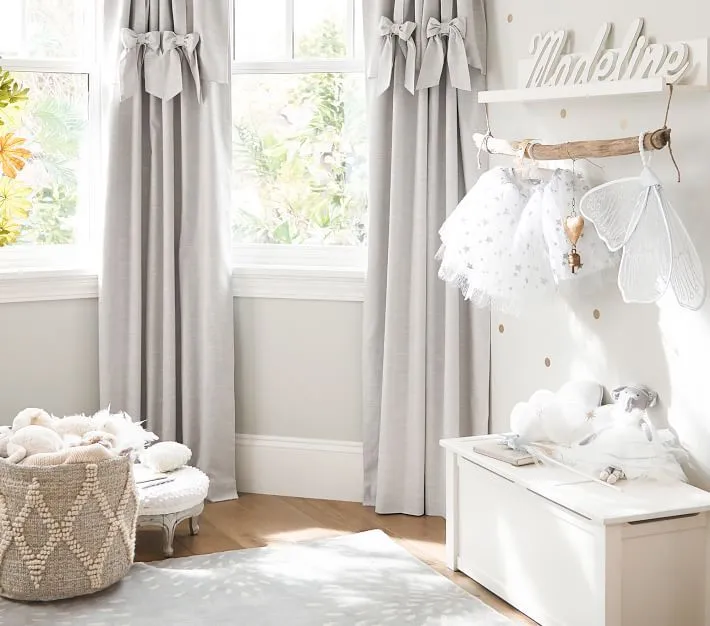
If repainting isn't in the cards right now, you can shift the room's dominant color palette through bedding, curtains, and a few key accessories. Swap out a bright primary-colored comforter for something in a softer, more muted tone. Add a dusty green throw pillow or a warm-toned rug. You're not redecorating — you're recalibrating.
For families who can paint, Benjamin Moore's "Quiet Moments" and Sherwin-Williams' "Sleepy Blue" are both beloved by parents for exactly the reason their names suggest. Neither requires a total room overhaul — even painting just one wall can shift the feel of the space significantly.
Lighting: The Single Biggest Lever You Have
If there's one area worth spending a little extra on, it's light control. Here's why: children's brains are even more sensitive to light as a wakefulness trigger than adult brains are. Bright, blue-spectrum light (the kind that comes from overhead LEDs and screens) actively suppresses melatonin production. That means a room that isn't properly darkened isn't just uncomfortable — it's biologically working against sleep.
Blackout curtains are the most impactful single purchase you can make for a nap-friendly room. If budget is tight, the Deconovo Blackout Curtains on Amazon run around $20–$30 per panel and genuinely block light well. For a more polished look, the IKEA MAJGULL blackouts are a perennial favorite and come in at a similar price point.
For families dealing with curtains that still let in light around the edges, a simple DIY fix involves using adhesive-backed velcro strips to seal the curtain to the wall on three sides. It looks a little industrial up close, but with the lights off, you'd never know — and it works remarkably well.
Beyond blocking outside light, think about the light inside the room. Swap any overhead bulb for a warm-white or amber-toned LED (look for bulbs in the 2700K–3000K range). A small nightlight in a soft amber or red tone is fine for kids who need one — red-spectrum light has the least impact on melatonin. Avoid blue and white nightlights if sleep quality is a concern.
Sensory-Friendly Materials: The Details That Matter
Some kids are more sensory-sensitive than others, but almost all young children are more tuned into physical sensation than adults are. Scratchy sheets, a pillow that's too flat, a blanket that's too heavy or not heavy enough — these things register as discomfort, and discomfort keeps kids awake.
You don't need to buy expensive organic bedding (though if that's in your budget, brands like Burt's Bees Baby and Pact make lovely options). The main thing is to pay attention to your specific kid. Does your child kick off every blanket? They might run hot — a lighter cotton layer or a breathable muslin blanket could help. Does your child seem to settle faster when they're more enclosed? A slightly heavier blanket, or even a properly sized weighted blanket for older toddlers, might be worth trying.
For shared bedrooms — which is the reality for a huge number of American families — the challenge is creating a sleep-friendly environment for one child without disrupting the other. A few strategies that work well:
- Room dividers or curtain panels hung from a tension rod can create a visual "sleep zone" without any wall damage.
- White noise machines (the LectroFan Classic and the Hatch Rest are both popular picks at different price points) can help mask sibling noise without requiring total silence in the room.
- Individual sleep cues — a specific stuffed animal, a consistent scent like a lavender linen spray, a small clip-on fan for airflow — help a child's brain associate their corner of the room with rest, even in a shared space.
Real Families, Real Rooms
Tamika, a mom of three in Atlanta, shares a two-bedroom apartment with her kids. Her two youngest share a room, and nap time used to be a battle. "I put up a tension rod with a white curtain panel between their beds, got a cheap white noise machine from Target, and switched their overhead light to a warm bulb. That was maybe $50 total. The difference was immediate."
In Portland, Oregon, first-time parents Jess and Marco tackled their son's room on a tight budget after noticing he was waking up from every nap after just 30 minutes. "It turned out the room faced west and got blasted with afternoon sun. We did the velcro blackout curtain trick and he started sleeping a full hour and a half. We didn't change anything else."
These aren't outliers. The room environment is often the low-hanging fruit in solving nap problems — and it's one of the few factors parents have almost complete control over.
Where to Spend, Where to Save
If you're working with a limited budget, here's a quick priority guide:
Worth spending on:
- Blackout curtains (this is your biggest bang for your buck)
- A warm-toned light bulb (under $10 and genuinely impactful)
- A white noise machine if your home is noisy
Fine to go cheap on:
- Decorative pillows and accessories in calming colors
- A tension rod room divider for shared spaces
- Velcro strips for sealing curtain edges
Skip entirely:
- Specialty "sleep sprays" with unproven claims
- Elaborate sleep-training gadgets before you've tried the basics
- A full repaint if swapping out bedding can shift the color palette instead
The goal isn't a showroom. It's a room that tells your kid's brain: this is where we rest. And that message doesn't require a renovation — just a little intentionality.