Why Nap Time Falls Apart the Moment You Actually Need It to Work

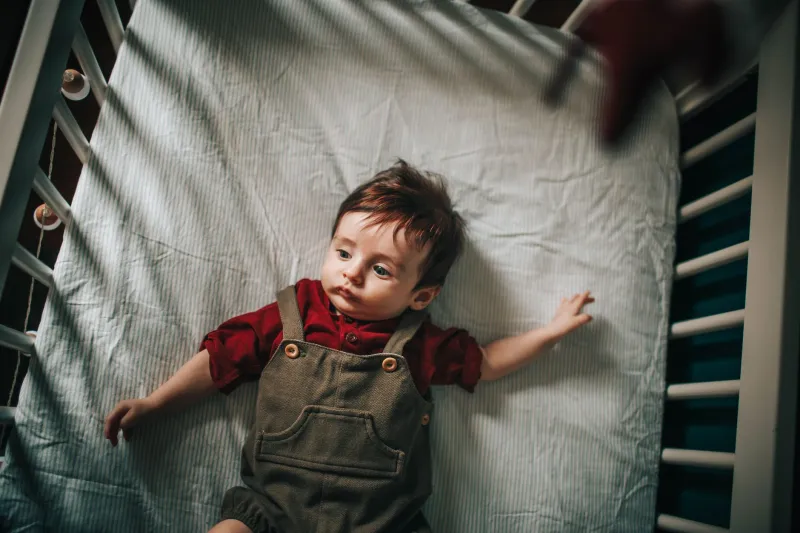
Photo by Photo by HiveBoxx on Unsplash on Unsplash
You've done everything right. The room is dark. The white noise is humming. You followed the exact same wind-down routine you always do — the one that works. And yet, there your kid is: singing to the ceiling fan, asking for water for the third time, and showing absolutely zero signs of drifting off.
The only variable? You have somewhere to be in two hours.
If this sounds painfully familiar, you're not imagining things. There's a very real phenomenon at play here, and it has as much to do with what's happening in your head as it does with what's happening in your child's.
Your Kid Is Picking Up What You're Putting Down
Children — especially toddlers and preschoolers — are remarkably tuned in to their caregivers' emotional states. It's not magic. It's neuroscience. The stress response system in young children is deeply connected to the adults around them. When you're carrying low-grade anxiety about whether this nap is going to happen, your body language shifts. Your voice gets a little tighter. Your movements feel rushed even when you're trying to slow them down.
Researchers who study co-regulation — the process by which a caregiver's calm nervous system helps settle a child's — have consistently found that a parent's internal emotional state matters as much as their external behavior. You can go through all the right motions and still transmit urgency without saying a word.
So when you're mentally calculating whether a 45-minute nap still gives you enough time to get everyone dressed and out the door, your kid is basically reading that spreadsheet off your face.
The Routine Isn't Just About Sleep — It's About Safety
Here's something worth sitting with: nap time routines work, in part, because they signal to a child's brain that the world is predictable right now. The sequence of events — lunch, a little quiet play, dim the lights, read a book, lie down — builds a kind of neurological runway. The brain starts its descent before the body even hits the mattress.
But that predictability is fragile. When you know there's a reservation at 6:30 or that your sister is pulling into the driveway at 3, the energy around nap time shifts. The routine looks the same on paper, but it doesn't feel the same. And kids — who are essentially emotional barometers — notice.
This is especially true for kids who are already sensitive to transitions or who have a harder time settling in general. The subtle change in atmosphere is enough to keep their nervous systems from fully downshifting.
The Pressure Trap: When You Need the Nap to Happen
There's a particular flavor of nap time anxiety that kicks in specifically when rest has become load-bearing. As in: this nap needs to happen or tonight is going to be a disaster. Maybe you've got family coming over and you need your kid to be in decent shape. Maybe you planned an outing that only works if everyone's rested. Maybe you just really need that two-hour window for yourself.
The irony is that the more you need the nap, the harder it is to stay neutral — and the harder it is to stay neutral, the less likely the nap becomes. It's a feedback loop that's genuinely maddening.
The fix isn't to stop caring (good luck with that). It's to build enough structural distance between your internal state and the nap time experience itself.
Practical Ways to Break the Cycle
Start earlier than you think you need to. If you've got plans at 4 p.m., don't try to squeeze in a nap at 1:30. Give yourself a cushion that makes the stakes feel lower. When you're not racing the clock, your body language reflects that — and your kid's nervous system responds accordingly.
Automate as much of the routine as possible. The less decision-making you're doing in the moment, the less opportunity there is for your anxiety to bleed in. Use the same playlist, the same order, the same words. Make it so routine that your brain can run on autopilot, which frees you up to actually be calm rather than just performing calm.
Exit the room before you start checking the time. Once you've done the routine and your child is in their space, leave. Don't hover outside the door staring at your phone. Do something that genuinely occupies your attention, even for 20 minutes. The mental checking-in you do when you're waiting for a nap to happen is its own kind of interference.
Separate rest from sleep in your own expectations. If your child doesn't fall asleep but spends 45 minutes quietly in their room, that still counts for something. A body that's been horizontal and calm is more regulated than one that hasn't. Lower the bar for what success looks like, and you'll lower your own cortisol in the process.
Have a contingency plan you actually believe in. Part of what makes nap time feel so high-stakes before company arrives is the sense that if it fails, everything fails. But if you have a real backup — a snack and a quiet activity in the car, an earlier bedtime, a shorter outing — the nap loses some of its all-or-nothing weight. That shift in your own thinking is more powerful than it sounds.
When It's Really About You (And That's Okay)
Sometimes the nap time meltdown before plans isn't really about your kid at all. It's about the fact that you're running on empty, you've been looking forward to this thing for days, and the idea of it being derailed by a missed nap feels genuinely crushing.
That's a completely human response. Parenting is exhausting, and the moments when you're counting on rest — yours or theirs — to make something work are real. You're allowed to feel that pressure without judging yourself for it.
What helps is naming it, even just to yourself. I'm anxious right now because I really need this to go well. That kind of internal acknowledgment can take the edge off the physical tension you're carrying into the room.
Rest Time as an Anchor, Not a Variable
The longer-term goal — and this takes time to build — is helping your child experience nap time as something that doesn't change based on what's happening in the outside world. It happens because it's time for it to happen, full stop. Not because the stars aligned, not because you bargained, and not because today is especially convenient.
That consistency is what makes rest time genuinely useful over the long haul. It becomes a reliable anchor in the day rather than something that's always in negotiation with the family calendar.
And the more your kid experiences it as an anchor, the less it'll blow up on you exactly when you need it most.
That's the goal. It won't happen overnight. But the next time you've got dinner plans and a two-year-old who suddenly forgot how to nap, at least you'll know why — and that's a better starting point than just hoping for the best.