Sneezes, Sniffles, and Zero Sleep: How Seasonal Allergies Are Secretly Wrecking Nap Time
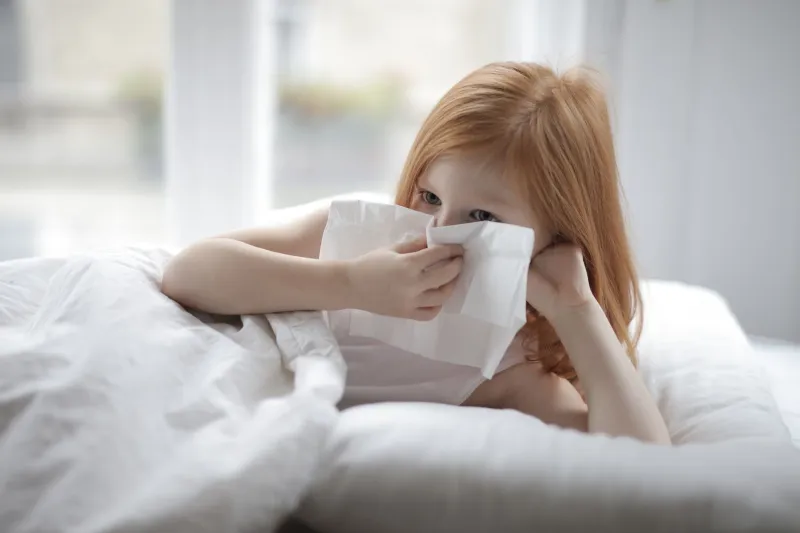
Every spring, thousands of parents across the country go through the same baffling experience. Nap time, which was working just fine in February, suddenly falls completely apart. The kid who used to drift off within minutes is now tossing, rubbing their eyes, and crying for no obvious reason. Bedtime gets harder too. Everyone's exhausted, and nobody can figure out why.
Here's a theory worth considering: it's not your child. It's not a phase. It's not a regression. It might just be the trees.
Seasonal allergies affect an estimated 40 percent of children in the United States, and yet the connection between pollen season and sleep disruption is something most parents never think to make. We're quick to blame schedules, screen time, developmental leaps — all the usual suspects. But if the timing lines up with spring blooms or fall ragweed, allergies deserve a serious look.
What's Actually Happening in That Little Body
When a child's immune system reacts to airborne allergens like pollen, mold spores, or grass, it triggers an inflammatory response. The nasal passages swell. Mucus production ramps up. The sinuses get congested and uncomfortable. None of this is catastrophic, but all of it is deeply disruptive to rest.
Here's the part that catches parents off guard: allergic inflammation tends to get worse when a child lies down. Gravity is no longer helping drain the sinuses, so congestion pools. Breathing through the nose — which is the natural, calming pathway that supports sleep — becomes difficult or impossible. The body compensates by mouth breathing, which is drier, louder, and far less restorative.
Add in the itching. Allergic kids often experience itchy eyes, itchy throats, and itchy skin. Try falling asleep when your eyes feel like they're full of sand and your throat keeps tickling. That's what your child is dealing with, and they almost certainly don't have the vocabulary to tell you.
Signs That Allergies Are the Real Problem
Behavior and allergies can look surprisingly similar from the outside. A kid who's miserable from congestion acts a lot like a kid who's overtired or acting out. But there are some tells worth watching for.
It's seasonal. If the sleep trouble tracks with specific times of year — especially March through May or August through October in most of the US — that's a meaningful pattern. Keep a loose mental note of when the hard stretches happen.
Mornings are rough in a specific way. Allergy sufferers often wake up with more congestion than they went to bed with, because lying down worsens drainage. If your child wakes up sounding stuffier than they did at bedtime, that's a clue.
The eyes give it away. Watery, red, or puffy eyes — especially when combined with sleep trouble — are a classic allergy sign. So is frequent eye rubbing before or during nap time.
They seem tired but can't settle. This one is particularly frustrating for parents. The child is clearly exhausted, but something keeps pulling them back from the edge of sleep. Discomfort is often the reason. They want to sleep; they physically can't get comfortable.
No fever, no obvious illness. Allergy symptoms can mimic a mild cold, but allergies don't come with fever. If your child has been "almost sick" for weeks during pollen season, allergies are worth investigating.
Simple Things You Can Do Before Nap Time
You don't need to overhaul your entire household to make a real difference. A few targeted adjustments during high-pollen periods can meaningfully improve your child's ability to rest.
Rinse off before rest. Pollen clings to hair, skin, and clothing. A quick face wash or even a full bath before nap time removes a surprising amount of allergen load. Think of it as clearing the runway for sleep.
Keep windows closed during peak hours. Pollen counts are typically highest in the morning and on dry, windy days. If you like fresh air, aim for late afternoon when counts tend to drop. Use your local weather app — many now include daily pollen forecasts.
Run an air purifier in the sleep space. A HEPA-filter purifier in your child's room can reduce indoor allergen levels noticeably. It doesn't need to be expensive to be effective, and the white noise is a bonus.
Elevate the head slightly. For toddlers and older children, a slightly elevated sleeping position can ease sinus drainage. This doesn't mean propping them up with a tower of pillows — just a gentle incline using a wedge pillow designed for kids, or simply a slightly thicker pillow than usual.
Talk to your pediatrician about antihistamines. This is worth saying plainly: if seasonal allergies are genuinely affecting your child's sleep, there are safe, pediatrician-approved options available. Many parents hesitate to bring this up, but it's a completely legitimate conversation. Non-drowsy antihistamines are commonly recommended for kids and can make a significant difference during peak allergy season.
The Bigger Picture
Sleep deprivation in young children compounds quickly. A few nights of disrupted rest bleeds into behavior changes, emotional dysregulation, and difficulty with learning and attention. When allergy season stretches on for weeks, the cumulative effect on a child's development and daily mood can be substantial — even if each individual night seems "not that bad."
The frustrating thing about allergies is that they're invisible. There's no obvious injury, no dramatic symptom that sends you straight to the doctor. It's just a kid who can't sleep, and a parent who can't figure out why.
But once you start looking at the calendar alongside the sleep log, patterns emerge. And patterns, at least, give you something to work with.
If you've been blaming yourself — or your kid — for a nap time that keeps falling apart every spring, give yourself a moment to consider that the problem might be drifting in through the window. Sometimes the most stubborn sleep struggles have the most straightforward explanations. Pollen is not a parenting failure. It's just Tuesday in April.
And with the right adjustments, even Tuesday in April can include a decent nap.