What Your Kid Eats Before Nap Time Actually Matters More Than You Think
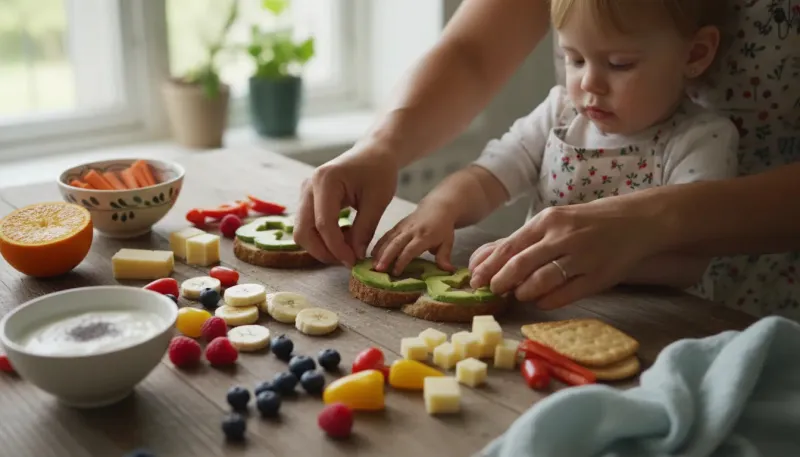
Photo: toddler eating healthy afternoon snack at kitchen table, via www.imthecheftoo.com
Most parents have a nap time ritual dialed in — the white noise machine, the darkened room, maybe a quick story. But there's one piece of the puzzle that often gets overlooked entirely: what your child ate in the hour before you laid them down.
It turns out, afternoon nutrition and nap quality are more closely connected than most of us realize. The good news? Once you understand what's going on, you can make some pretty simple tweaks that genuinely pay off.
Why Food Affects Sleep (Even at 1 in the Afternoon)
Your child's body doesn't switch off its digestive processes just because it's time to rest. In fact, certain foods actively work against the conditions your kid's brain needs to wind down.
Here's the short version: blood sugar swings are the enemy of a smooth nap. When a child eats something high in refined sugar or simple carbohydrates — think fruit snacks, crackers with nothing on them, or a cup of juice — their blood sugar spikes quickly and then crashes just as fast. That crash can actually jolt the nervous system into a more alert state right when you're trying to get things quiet.
On the flip side, foods that digest slowly and support the production of serotonin and melatonin — the hormones that regulate sleep — can genuinely help kids settle faster and stay asleep longer. Tryptophan, an amino acid found in several common kid-friendly foods, is a direct precursor to both of those hormones. Pair it with a small amount of complex carbohydrates, and you've basically created a natural wind-down snack.
The 30-60 Minute Window
Timing matters almost as much as what you're serving. Eating too close to nap time — like right as you're walking toward the bedroom — means your child's digestive system is in full gear, which can make lying down uncomfortable and keep them more alert than you want.
The sweet spot is roughly 30 to 60 minutes before rest time. That gives the body enough time to start processing the food, blood sugar to stabilize, and tryptophan to begin doing its thing. If your nap window is 1:00 p.m., you're aiming to have snack finished by 12:00 or 12:30 at the latest.
This is also why a big lunch right before nap can backfire. Heavy meals take a lot of energy to digest, and that process can actually feel stimulating rather than calming for young kids.
Snacks That Actually Support Nap Time
You don't need to become a nutritionist to make this work. Here are some easy, kid-friendly options that check the right boxes:
Banana with a small smear of almond or peanut butter. Bananas contain tryptophan and magnesium (a natural muscle relaxant), while the nut butter adds protein and healthy fat to slow digestion and keep blood sugar steady.
Plain whole-milk yogurt with a drizzle of honey (for kids over 1). The protein and fat in full-fat yogurt digest slowly, and dairy contains both tryptophan and calcium, which helps the brain use tryptophan more effectively.
Whole grain toast with avocado or nut butter. Complex carbs from the bread support tryptophan uptake, and the fat keeps energy levels even.
Cheese and a few whole grain crackers. Simple, familiar, and genuinely effective. The protein and fat combo is solid for pre-nap stabilization.
Warm oatmeal with a little cinnamon. If your schedule allows for something slightly more involved, oats are one of the few plant foods that naturally contain small amounts of melatonin. Warm food also has a mild calming effect on the nervous system.
What to Skip Before Rest Time
Just as important as what to offer is what to hold off on until after nap:
Juice and sweetened drinks. Even 100% fruit juice causes a blood sugar spike that can work directly against settling. Water is always the better call before rest.
Fruit snacks, gummies, and candy. These are essentially pure sugar with very little to slow the absorption. Save them for after.
Processed crackers or chips on their own. Without protein or fat alongside them, refined starch snacks can cause the same blood sugar rollercoaster as sugar.
Anything with hidden caffeine. This one sounds obvious, but chocolate — including chocolate milk — contains caffeine and theobromine, both of which are stimulants. For sensitive kids, even a small amount in the hour before nap can make a difference.
A Note on Hunger vs. Stalling
Every parent knows the classic move: "I'm hungry" announced approximately 45 seconds after you've closed the bedroom door. It's worth separating genuine hunger from a delay tactic, but it's also worth taking it seriously enough to address before it becomes a whole thing.
Building a consistent pre-nap snack into your routine — at the same time every day, with the same general foods — does two things. It takes the "I'm hungry" card off the table, and it starts to become a ritual signal in itself. Kids are incredibly responsive to routine, and a familiar snack at a familiar time becomes part of the wind-down sequence, not just fuel.
Putting It Together
You don't need to overhaul your whole kitchen or stress about perfect nutrition. The framework is pretty forgiving: aim for protein plus fat plus complex carbs, keep it light, skip the sugar, and give it at least 30 minutes before you're expecting your kid to actually be asleep.
Start with one swap — maybe trade the afternoon juice for water and add a little cheese alongside whatever you're already offering — and see if you notice a difference in how quickly your child settles. A lot of parents are genuinely surprised by how much of a shift comes from such a small change.
Nap time is one of those things where the details stack up. The right snack isn't magic, but it's one less thing working against you — and at 12:45 on a Tuesday, that counts for a lot.